Tech
Weaponizing the Chokepoint: The Financial Threat of Asymmetric Maritime Toll-Gating
March 26, 2026
...


The era of cyclical commodity shocks is dead. What markets are pricing in as of March 2026 is not a temporary geopolitical disruption awaiting a V-shaped recovery, but a structural extortion mechanism: the Chokepoint-Toll Plateau. Analyzing the latest data from the IEA's March 2026 Oil Market Report and the World Bank's Commodity Markets Outlook, it is evident that state and non-state actors have effectively weaponized maritime geography. By applying a macro-financial risk framework to the militarization of the Strait of Hormuz, this analysis evaluates how adversarial control over critical transit arteries has transformed global logistics. The result is a permanent L-shaped pricing floor where geopolitical friction acts as a literal toll booth, permanently rewiring the economics of global trade.
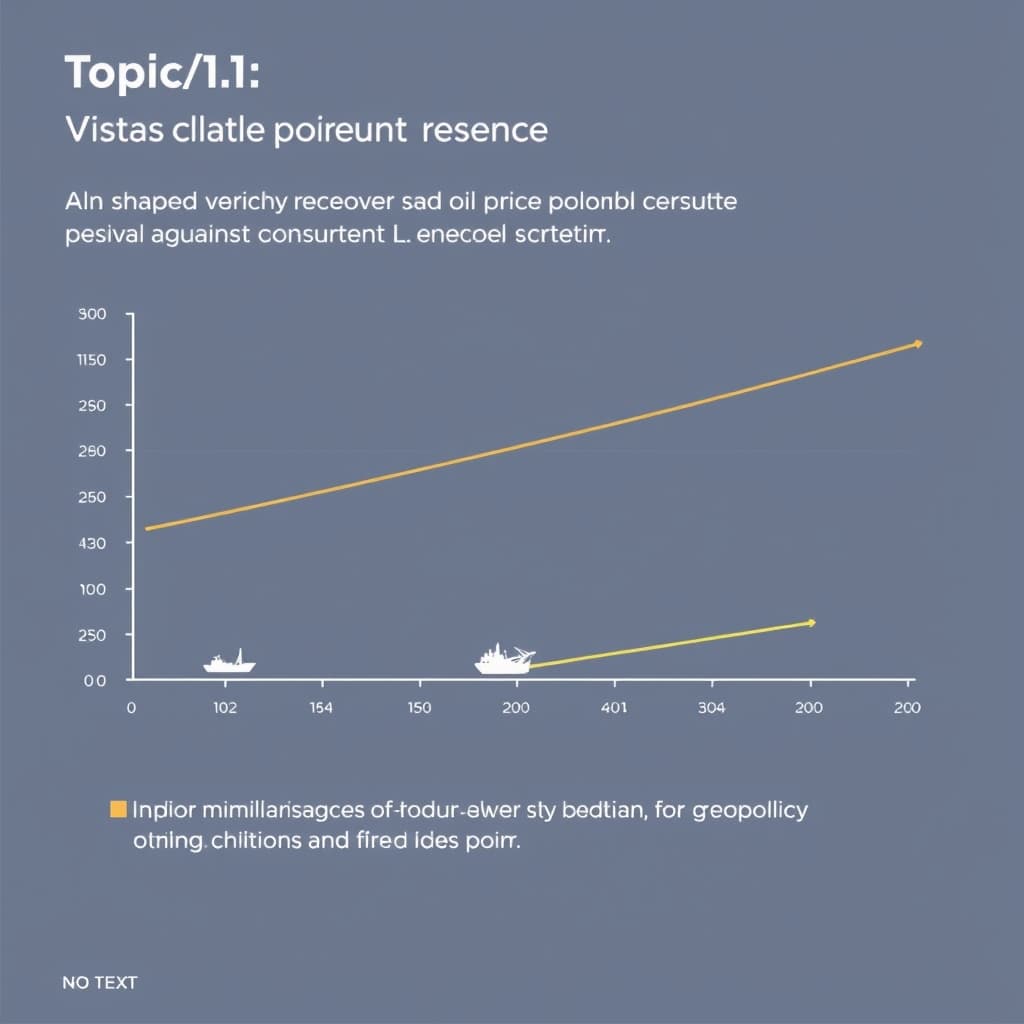
Historically, supply disruptions triggered V-shaped market reactions: an acute price spike followed by a rapid stabilization as alternative supplies came online or demand destruction balanced the ledger. The current architecture actively resists this mean reversion. When physical access to waterways is gated by hostile military posturing, prices drop from peak panic levels but slam into an artificial floor. This L-shaped trajectory occurs because the constraint is not a lack of underlying commodity availability, but a localized stranglehold on distribution.
Markets are forced to permanently capitalize a toll-booth premium. While baseline projections might suggest an easing of broad raw material costs, energy markets expose a profound rigidity. Instead of returning to baseline, Brent crude and liquefied natural gas (LNG) contracts are settling at sustained thresholds. This plateau acts as a regressive tax on global manufacturing, embedding higher baseline costs into every downstream sector.
Example Data Matrix: To illustrate this structural shift, observe the divergence between historical crisis pricing and the modern geopolitical plateau.
The Strait of Hormuz, handling roughly 20 million barrels of oil per day, is no longer just a transit corridor; it is a macro-financial lever. Adversarial actors have realized that controlling a chokepoint yields more economic leverage than controlling the underlying commodity. By deploying asymmetric naval assets, anti-ship ballistic missiles, and radar-jamming technologies, these entities enforce a de facto financial toll on global energy flows.
This militarization fragments the unified global trade architecture into tiered risk zones. Vessels must either pay the geopolitical toll—often through exorbitant war-risk insurance premiums or direct extortion—or abandon the route entirely. The systemic vulnerability of routing a fifth of global petroleum consumption through a 24-mile-wide passage has shifted from a theoretical risk to a realized financial penalty.
Case Study: The Larak Island Extortion Node