Weaponizing the Strait: How Maritime Extortion is Rewriting Global Energy Economics
Weaponizing the Strait: How Maritime Extortion is Rewriting Global Energy Economics
Energy commodity traders and maritime risk underwriters currently face an unquantifiable pricing variable: the direct commodification of the Strait of Hormuz. As a strategist who has spent the last 15 years modeling supply chain resilience and geopolitical risk frameworks, I am evaluating the sudden shift from conventional naval posturing to state-sponsored extortion in the Persian Gulf. Iran's recent tactic of offering safe tanker passage strictly in exchange for sovereign concessions—such as the expulsion of targeted diplomats—forces a fundamental recalculation of global energy economics. By applying a structural risk framework to this unprecedented form of Maritime Chokepoint Extortion, we can dissect how territorial control over critical shipping lanes is actively traded for political leverage and measure the immediate consequences for Brent crude pricing and freight insurance.
The Strait of Hormuz as a Diplomatic Bargaining Chip
Shifting Tactics: From Tariffs to Geopolitical Ransom
Historically, maritime disruption involved either physical blockades or asymmetric attacks designed to inflict economic pain. The mechanism has evolved into a highly calculated bureaucratic interdiction. State actors leverage their territorial waters under the guise of environmental or safety inspections, detaining vessels until specific foreign policy demands are met. The U.S. Energy Information Administration (EIA) notes that over 20 million barrels of petroleum liquids transit the strait daily. When a state actor explicitly ties the release of these vessels to the expulsion of diplomats or the unfreezing of assets, they convert geographic proximity into geopolitical ransom. Shipping companies cannot simply pay a monetary toll to resolve the issue; their host nations are forced to make immediate political concessions.
The Mechanics of Conditional Safe Passage
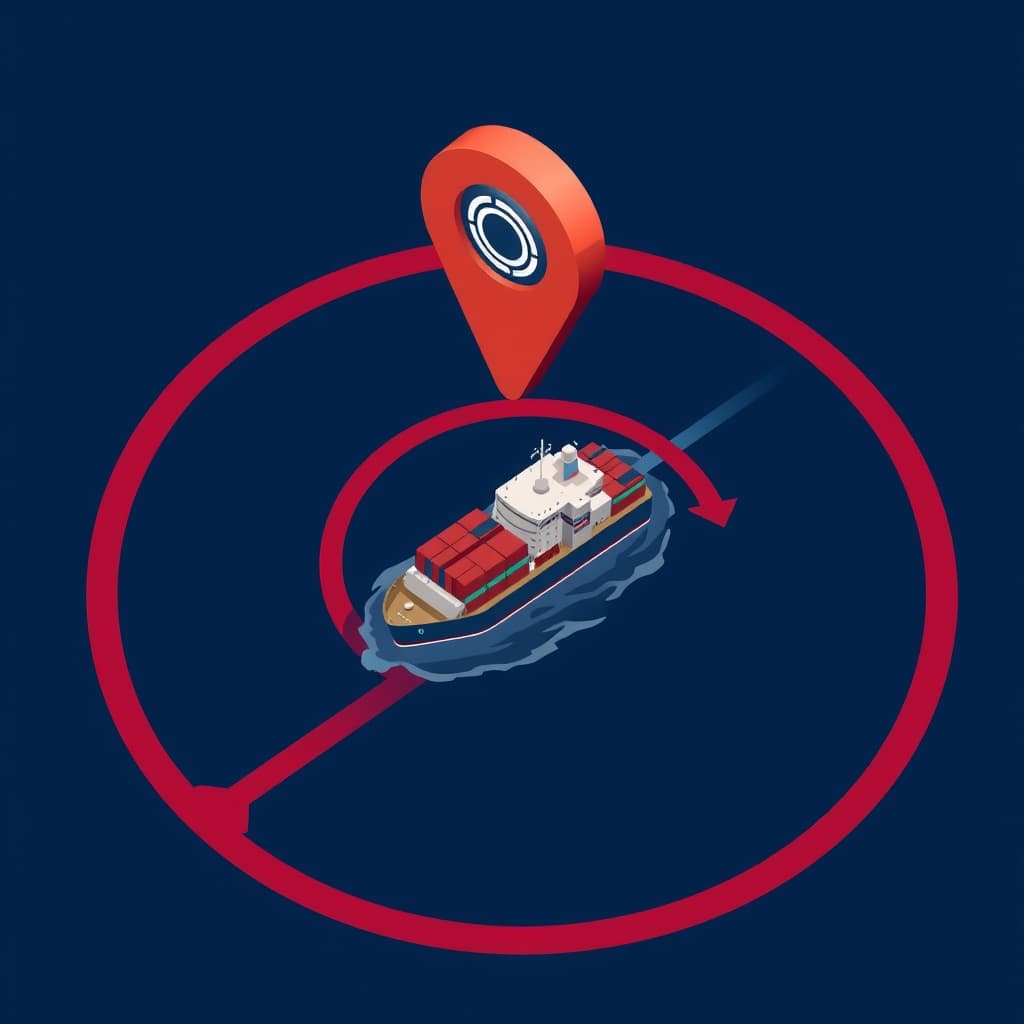
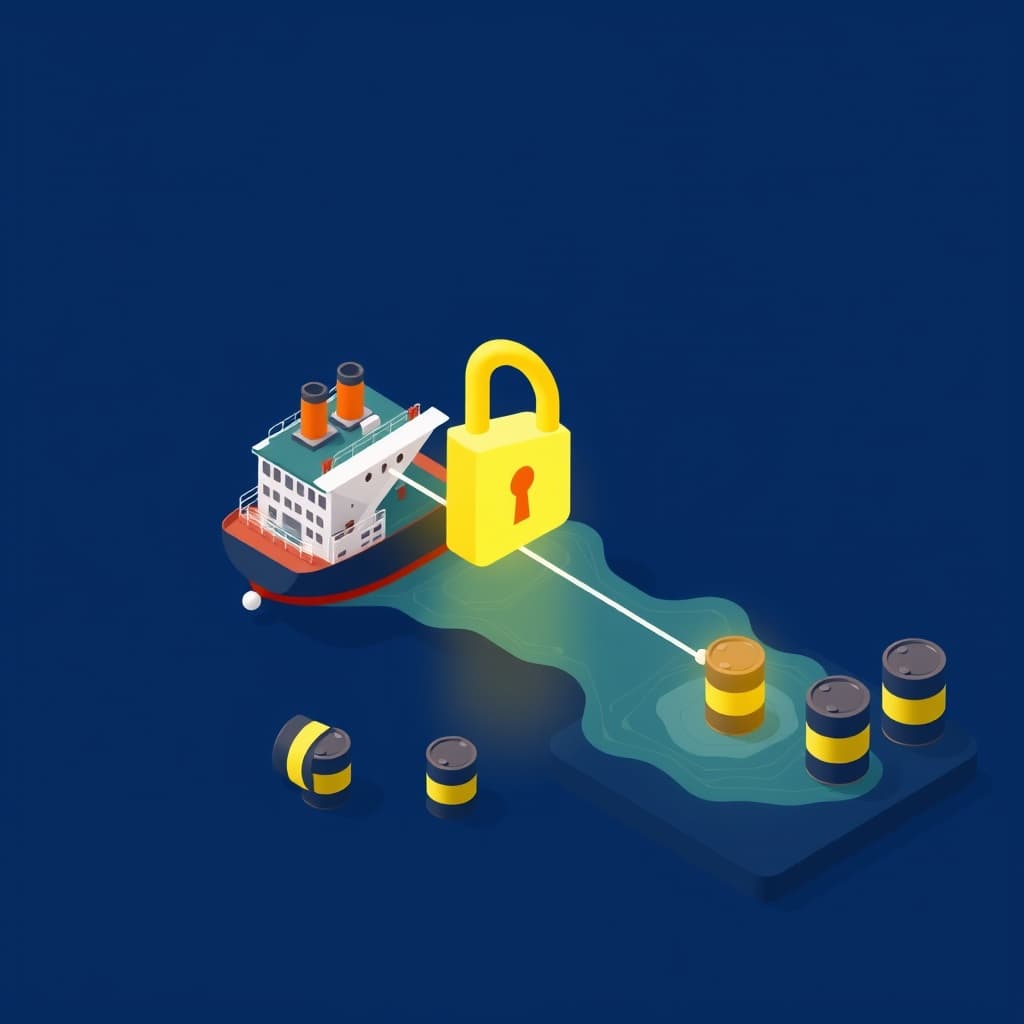
The operational execution of conditional safe passage relies on legal ambiguity. By exploiting the transit passage provisions of the United Nations Convention on the Law of the Sea (UNCLOS), the controlling state enforces a shadow regulatory regime. Vessels are boarded via helicopter or fast-attack craft, their navigation systems are disabled, and they are anchored in territorial waters until the extortion terms are satisfied.
Map of Incentives:- Winners: State actors controlling the chokepoint gain outsized diplomatic leverage without triggering kinetic warfare. Non-Gulf oil producers (such as those in the Americas or West Africa) capture higher market share and premium pricing.
- Losers: Energy-importing nations in Asia absorb the cost of risk premiums. Maritime insurers are forced to underwrite unquantifiable political whims, while global consumers bear the downstream inflationary pressure.
Pricing the Geopolitical Risk Premium in Crude Markets
Freight Rates and Insurance Spikes for Regional Transits
The immediate financial impact of Maritime Chokepoint Extortion manifests in the London insurance market. When safe passage becomes conditional, the Joint War Committee expands high-risk listings, prompting underwriters to issue Notices of Cancellation (NoC) for standard coverage.
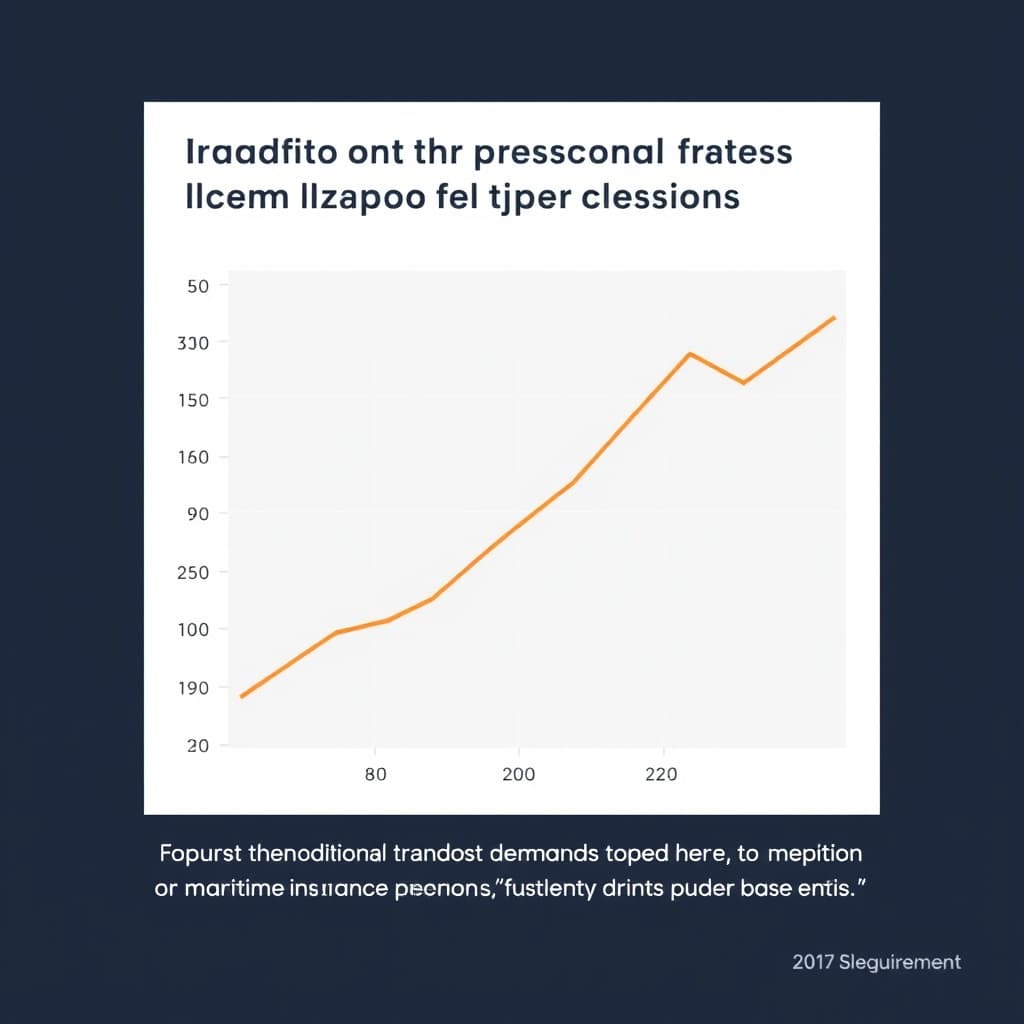
Mini Case Study: The 2026 War-Risk Premium Surge Following a series of conditional safe passage decrees by the Islamic Revolutionary Guard Corps (IRGC), major P&I Clubs withdrew standard coverage for the Strait of Hormuz. Underwriters repriced war-risk premiums from a baseline of 0.2% to 1.0% of a vessel's hull value within 48 hours. For a standard Very Large Crude Carrier (VLCC) valued at $100 million, the per-voyage insurance cost spiked from $200,000 to $1,000,000. This dynamic breaks the standard per-voyage economic model, forcing charterers to halt transits entirely rather than risk uninsurable losses.
How Futures Markets React to Extortion Threats
Commodity futures markets rapidly price in the probability of supply disruption, leading to steep backwardation. Prompt barrels—those available for immediate delivery—become highly valued compared to future deliveries. The Brent-WTI spread serves as a real-time indicator of this stress. Because West Texas Intermediate (WTI) is predominantly sourced from US domestic production, it remains relatively insulated from Middle Eastern transit risks. Brent crude, representing international seaborne volumes, absorbs the full geopolitical risk premium. When extortion threats surface, Brent futures gap upward, reflecting the physical reality that 20% of global petroleum consumption is suddenly contingent on diplomatic negotiations.
Redrawing Global Energy Supply Chains
Accelerated Investment in Alternative Routing
The commodification of the Strait of Hormuz forces major oil exporters to bypass the chokepoint via overland pipelines. Saudi Arabia and the United Arab Emirates have invested heavily in infrastructure designed to reach the Red Sea and the Gulf of Oman, respectively. The physical infrastructure limits restrict full substitution.
Even operating at maximum capacity, these alternative routes can only offset a fraction of the daily volume typically flowing through the strait. The remaining barrels are effectively trapped, leaving the physical market structurally short.
The Push for Strategic Petroleum Reserve Reliance
To dampen the spot price volatility caused by stranded Gulf exports, OECD nations increasingly rely on their Strategic Petroleum Reserves (SPR). Coordinated releases by the International Energy Agency (IEA) inject emergency liquidity into the physical market. Relying on strategic buffers to counter bureaucratic extortion depletes national stockpiles, leaving importing nations vulnerable to secondary shocks. The frequent deployment of SPRs shifts their function from emergency fail-safes against natural disasters to financial shock absorbers against statecraft.
Naval Deterrence vs. Asymmetric Statecraft
Limits of Traditional Fleet Deployments
Western naval doctrine relies on carrier strike groups to ensure freedom of navigation. These traditional fleet deployments are designed for kinetic deterrence, not diplomatic hostage negotiations involving private commercial entities. When a state actor detains a foreign-flagged tanker within its own territorial waters under the legal pretext of an environmental violation, naval escorts have little operational recourse. Engaging kinetically to free a commercial vessel risks triggering a broader regional conflict. The asymmetric nature of this statecraft paralyzes conventional military responses.
Policy Responses from Global Energy Consumers
Asian energy importers—specifically China, India, Japan, and South Korea—are the most exposed to this vulnerability, accounting for nearly 70% of the crude flowing through the strait. These nations must navigate complex diplomatic tightropes to ensure their energy security. India, for instance, has partially hedged its Middle Eastern exposure by ramping up Russian crude imports. Complete diversification remains mathematically impossible in the short term. Consequently, these consumer nations are forced to engage in bilateral negotiations with the extorting state, frequently bypassing traditional Western alliances to secure exemptions for their own flagged vessels.
Forecast 2026-2030: The Normalization of Chokepoint Commodification
Potential Replication by Other State Actors
The success of Maritime Chokepoint Extortion in the Persian Gulf establishes a dangerous precedent for global trade. Other state actors observing the efficacy of this tactic are likely to replicate it across different maritime corridors. The Bab el-Mandeb, the Strait of Malacca, and the Turkish Straits are all geographic bottlenecks bordered by nations with complex geopolitical ambitions. If extracting sovereign concessions via commercial shipping delays becomes an accepted diplomatic tool, global supply chains will face persistent, localized disruptions that traditional military alliances cannot resolve.
Long-Term Impacts on the Energy Transition
High and volatile fossil fuel logistics costs structurally alter the return on investment for localized renewable energy grids. As the geopolitical risk premium becomes a permanent fixture in hydrocarbon pricing, energy-importing nations are reframing the energy transition as a national security imperative. Solar, wind, and nuclear generation eliminate the need for continuous, vulnerable seaborne fuel deliveries. The normalization of chokepoint commodification will likely accelerate capital deployment into domestic green infrastructure, driven less by climate targets and more by the necessity of sovereign energy independence.
Conclusion
The transition from conventional naval harassment to explicit Maritime Chokepoint Extortion structurally alters supply chain risk models. By trading territorial control over critical shipping lanes for sovereign concessions, state actors have introduced a highly volatile, unquantifiable variable into global energy economics. Energy traders and maritime insurers must now monitor diplomatic expulsions and bilateral sanctions just as closely as vessel tracking data and inventory draws. As this asymmetric statecraft normalizes, the geopolitical risk premium embedded in Brent crude will persist, accelerating the strategic pivot toward alternative routing and localized energy generation.
FAQ
How does maritime chokepoint extortion differ from traditional piracy? Traditional piracy seeks direct financial ransom, whereas state-sponsored extortion leverages territorial control to extract political concessions, such as the expulsion of diplomats or the lifting of targeted sanctions.
Why is the Strait of Hormuz uniquely vulnerable to this tactic? It handles approximately one-fifth of global oil consumption, and its narrow shipping lanes fall within the operational reach of the Iranian Revolutionary Guard Corps, making bypassing the route logistically unfeasible for major exporters.
Sources
- U.S. Energy Information Administration (EIA) - World Oil Transit Chokepoints
- Intercontinental Exchange (ICE) - Brent Crude Futures
- Joint War Committee - Hull War, Piracy, Terrorism and Related Perils
- International Energy Agency (IEA) - Strategic Petroleum Reserves
- United Nations Convention on the Law of the Sea (UNCLOS) - Transit Passage
Related
View all →
The Weaponization of Water: How Desalination Plant Attacks Redefine Modern Warfare